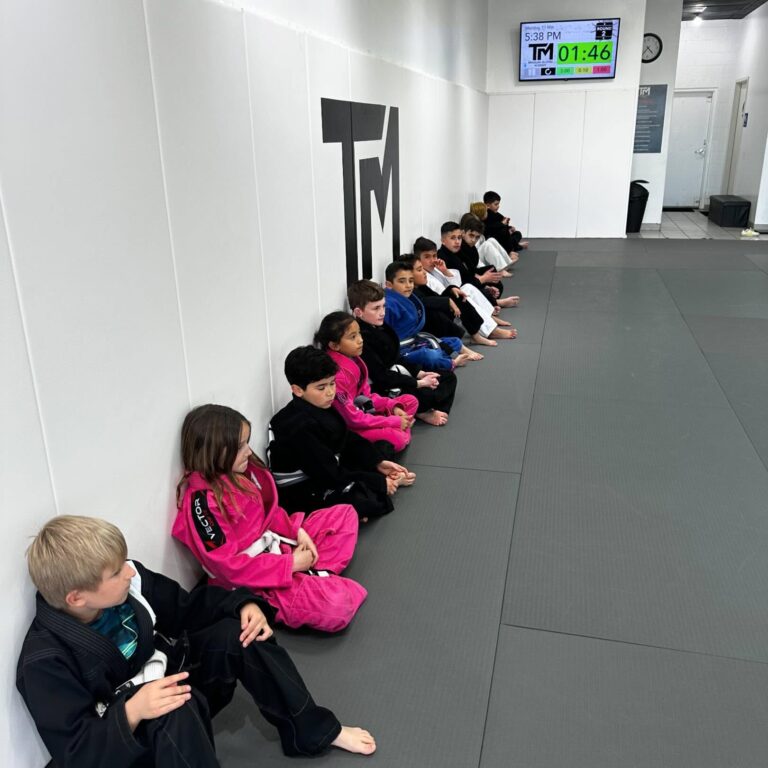
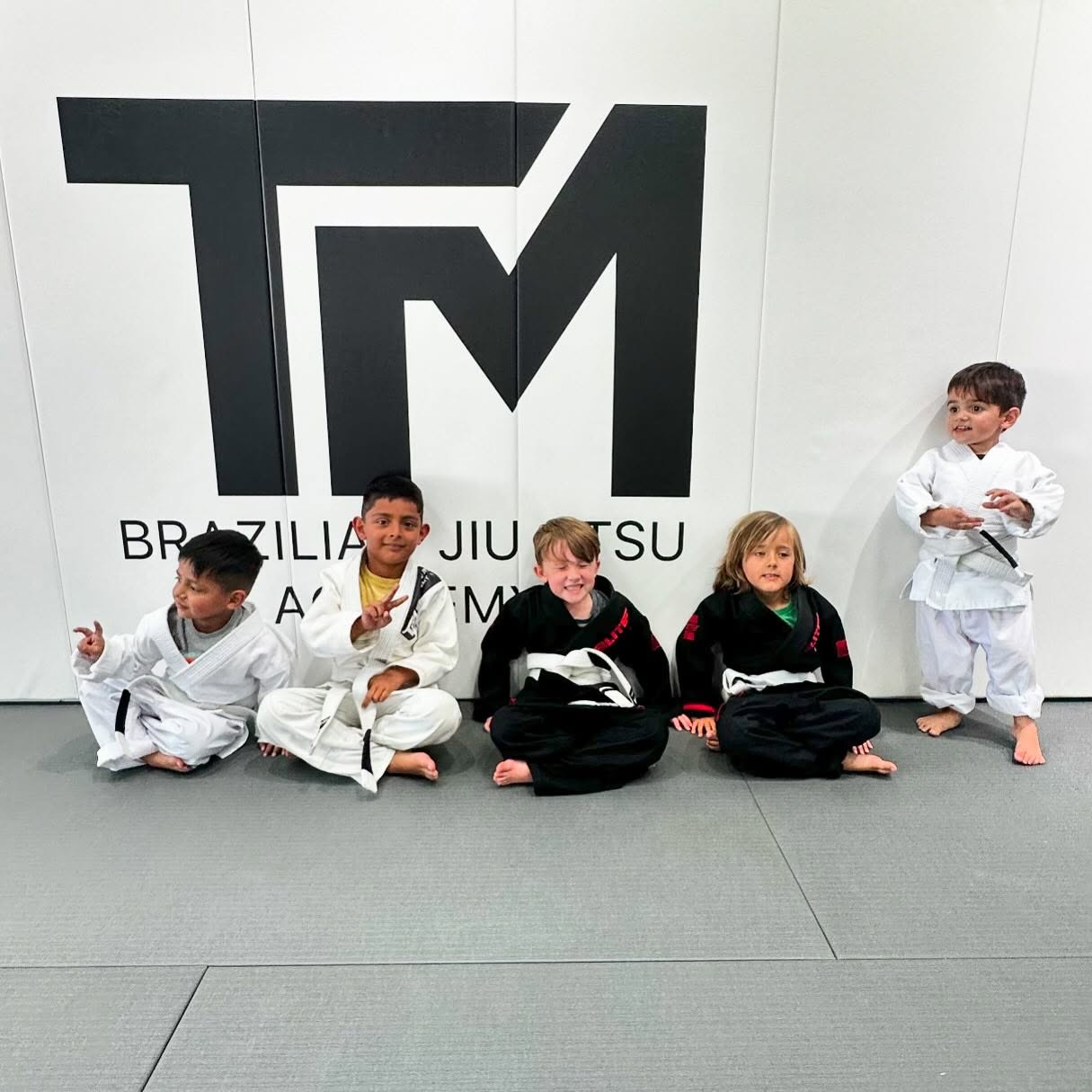
Why Parents in Orange Ask About Kids Tournaments
Many families in Orange, CA wonder whether a tournament is the right step for a child who already enjoys class. The benefits of jiu-jitsu competition for kids go well beyond medals, because a tournament day teaches children how to prepare, handle nerves, and respond to any result.
This guide explains what children can gain, how coaches keep the experience healthy, and how parents can decide when the time is right. At TM BJJ Academy, competition is one tool for growth, never a requirement for training.
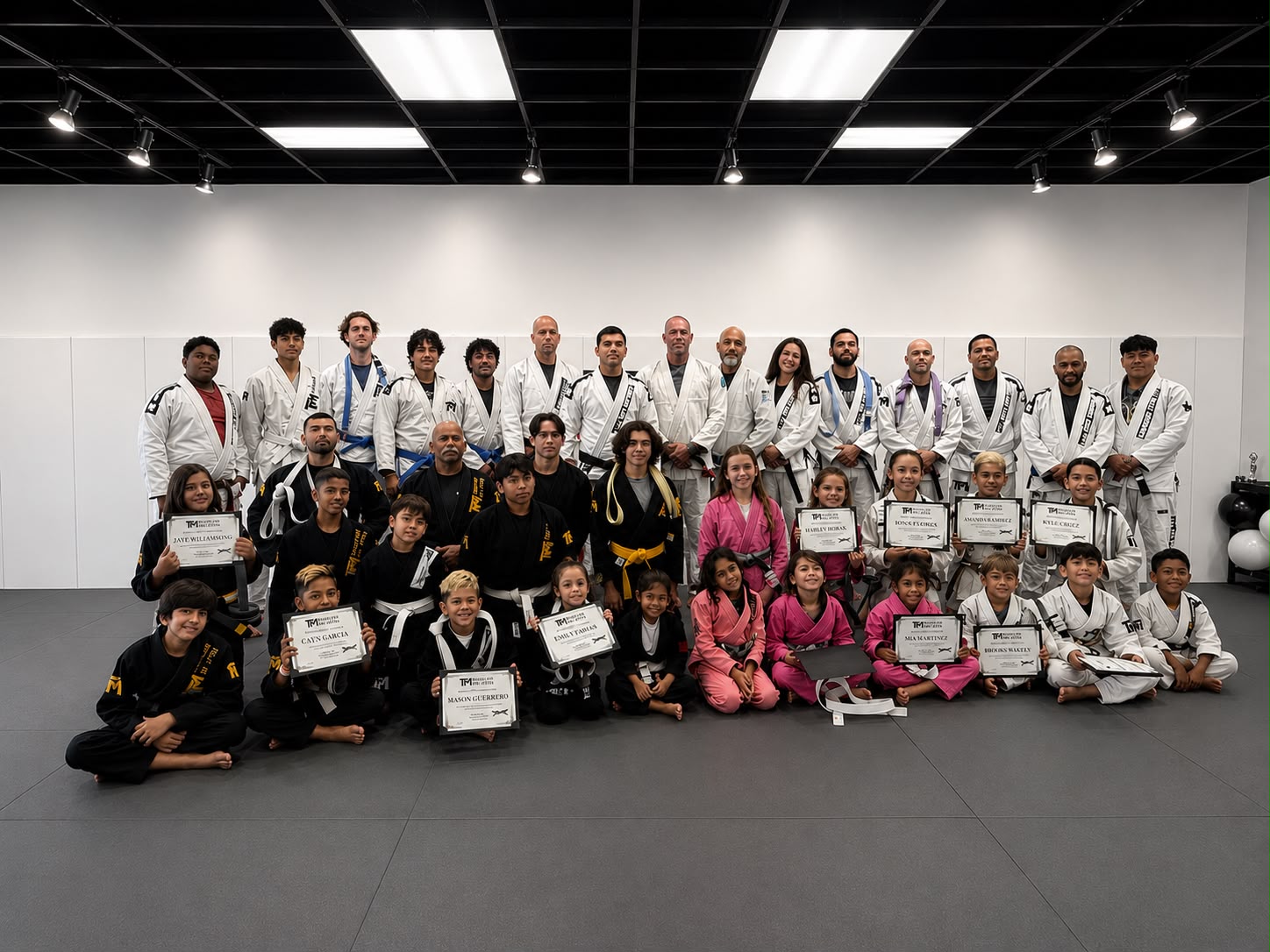
DISCOVER TM BJJ Academy
CLICK HEREPersonal Growth Through Jiu-Jitsu Competition
Tournaments give children a clear, real-world goal to train toward. The lessons that follow often reach well beyond the mat and into school and home life.
Confidence Built Through Preparation
Confidence grows when a child sees that steady practice leads to better performance. Each drill, each round of sparring, and each correction from the coach becomes evidence that effort matters.
That is why structured competition jiu-jitsu training focuses on preparation first. The child learns to trust the work already done instead of depending on luck.
Learning to Manage Nerves
Walking onto a mat in front of spectators can feel intimidating for any child. Learning to breathe, listen, and stay calm under pressure is a skill that takes practice, and a tournament offers a safe place to start.
Coaches can help by rehearsing the routine at home and in class. Knowing what happens at check-in, during the match, and afterward removes much of the mystery.
Discipline and Goal Setting
A tournament date creates a simple deadline. Children learn to show up consistently, follow a plan, and work on specific weaknesses in the weeks before the event.
These goals sit comfortably next to the jiu-jitsu belt system, which also rewards patience and steady effort over shortcuts.
Resilience After a Loss
Every competitor loses sometimes, and for a young athlete that moment can be the most valuable part of the day. A child who feels disappointed and still shakes hands is learning emotional maturity.
Parents can help by asking what the child learned instead of focusing on the score. Over time, children begin to see a loss as information they can use in the next training session.
Social and Emotional Skills on the Mat
Jiu-jitsu is a one-on-one sport, yet it is deeply social. Competition adds new situations where a child practices self-control and good character.
Focus and Self-Control
A match demands attention. Children must follow the referee, read their partner, and make decisions while their heart rate is up, which strengthens concentration in a practical way.
Energetic kids often respond well to this structure, and our article on jiu-jitsu for hyperactive kids explains how training supports focus and self-regulation.
Respect for Opponents and Coaches
Tournaments begin and end with a bow or a handshake. Children learn that an opponent is a partner in the challenge, not an enemy, and that respect is shown regardless of the result.
They also practice listening to coaches and referees. Accepting direction from an adult outside the family is a habit that helps in classrooms and teams.
Healthy Habits That Start Early
Children who enjoy physical challenges tend to build routines around sleep, nutrition, and practice. A tournament can motivate those habits in a way that feels like fun rather than a chore.
Families exploring this path may also like our overview of the benefits of early training, which covers how starting young shapes development.
Preparing Your Child for a First Tournament
A good first experience depends on timing, expectations, and support. A few simple steps can make the day positive for everyone involved.
Choosing the Right Time
There is no universal age or rank for a first tournament. The best signal is a child who understands the basic positions, enjoys class, and expresses interest in trying a match.
Talk with the coach before registering. An honest conversation about readiness protects the child from pressure and keeps the focus on long-term enjoyment.
Keeping the Focus on Learning
The most useful goal for a first event is to apply what the child practices in class. Winning is welcome, but trying a technique under pressure is the real milestone.
Celebrate effort, courage, and sportsmanship in the same way you would celebrate a result. This message teaches children that progress is measured in more than medals.
Supporting Your Child on Tournament Day
Arrive early, keep snacks and water ready, and let your child warm up with the team. A calm parent in the stands helps a nervous child feel safe.
Cheer positively and leave technical instruction to the coach. Afterward, listen first, offer encouragement, and let the child describe the day in their own words.
Technical Guidance for Parents
Before any event, make sure your child trains in a well-supervised environment with age-appropriate matches and clear safety rules. Children should compete against partners of similar age and experience, with referees who prioritize safety.
Coaches at TM BJJ Academy guide students through each stage of preparation and help families decide when competing makes sense. Every child develops at a different pace, and the plan should respect that.
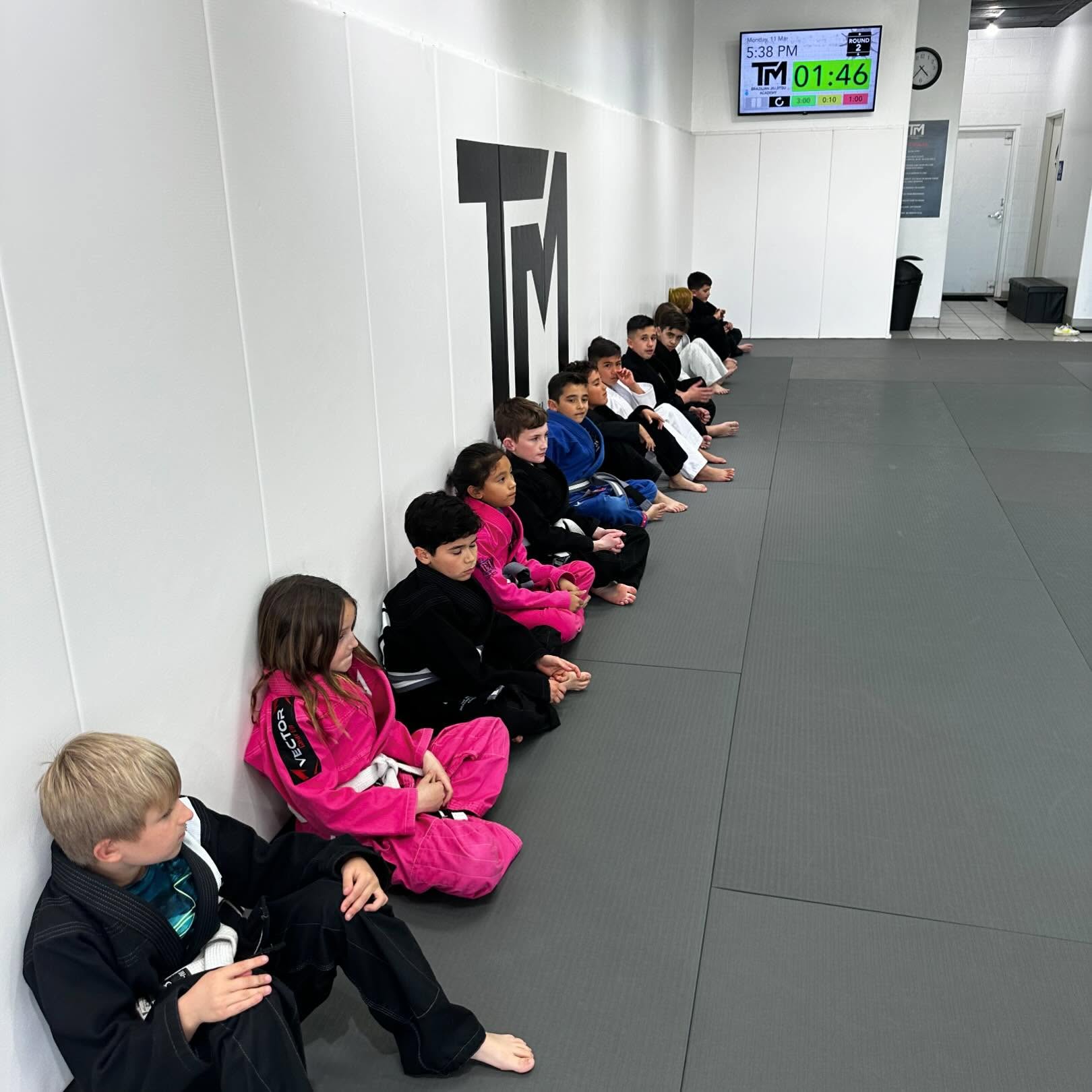
Putting It All Together
When competition is introduced thoughtfully, children gain confidence, focus, resilience, and respect while still having fun. The key is preparation, honest communication, and a supportive environment.
If you are still comparing activities for your child, you can read why parents choose kids martial arts in our community and see how jiu-jitsu fits your family.
DISCOVER TM BJJ Academy
CLICK HEREFinal Thoughts on Kids Competing in Orange County
The benefits of jiu-jitsu competition for kids come from the process: preparing, facing nerves, performing, and reflecting. Medals are a bonus, while the character built along the way stays with a child for years.
If you live in Orange or elsewhere in Orange County and want to see how young students train, visit the academy, meet the coaches, and ask any question about your child’s first steps on the mat.