Gi vs No-Gi Jiu-Jitsu: What New Students Want to Know
If you have watched a class or scrolled through grappling videos, you have probably noticed two looks. Some students wear a heavy uniform, while others train in shorts and a fitted shirt. Understanding gi vs no-gi jiu-jitsu helps anyone in Orange, CA choose a starting point with confidence.
Both styles share the same roots, the same positions, and the same goal of controlling a resisting partner. At TM BJJ Academy, adults can train both formats, and our overview of Brazilian Jiu-Jitsu in Orange explains how the school supports every level.
DISCOVER TM BJJ Academy
CLICK HEREWhat Changes Between the Two Styles
Mount, side control, back control, and guard exist with or without a uniform. What changes is how you hold on, how fast things move, and which techniques work best. That difference sits at the heart of the gi vs no-gi jiu-jitsu discussion.
The Uniform You Wear
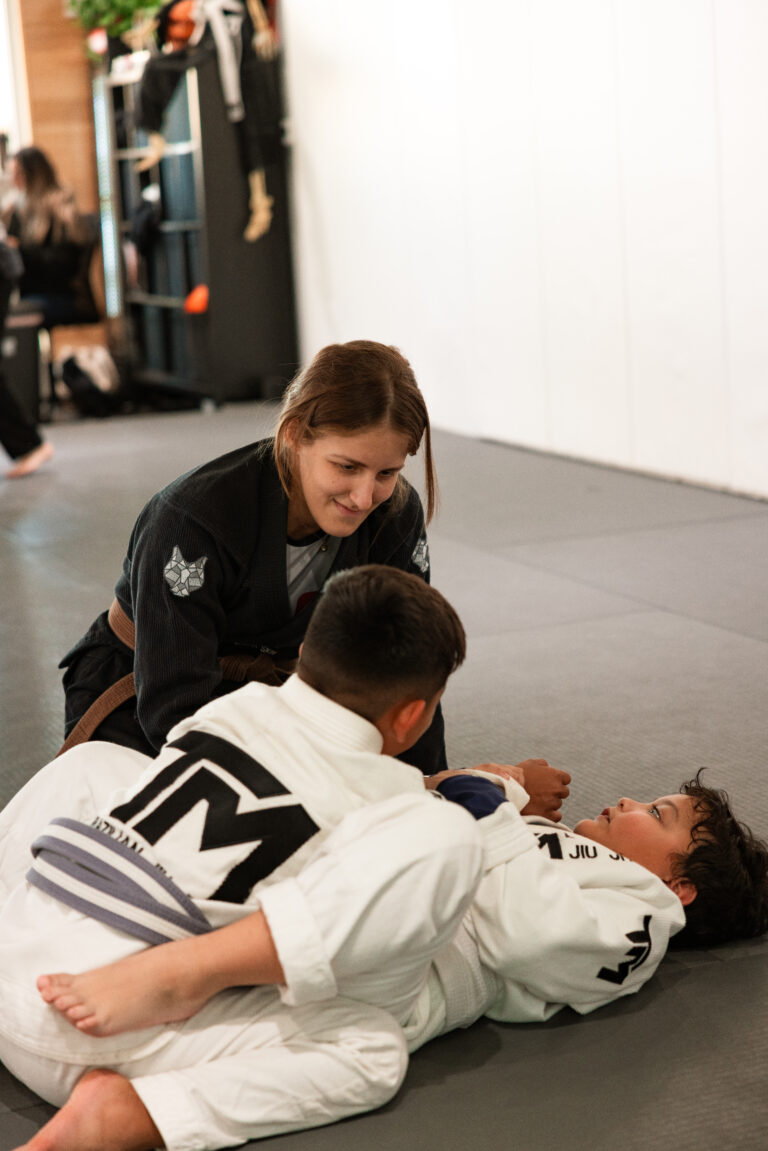
The gi is a thick cotton jacket and pants tied with a belt that shows your rank. It is built to be grabbed, pulled, and twisted without tearing, so it becomes part of the game itself.
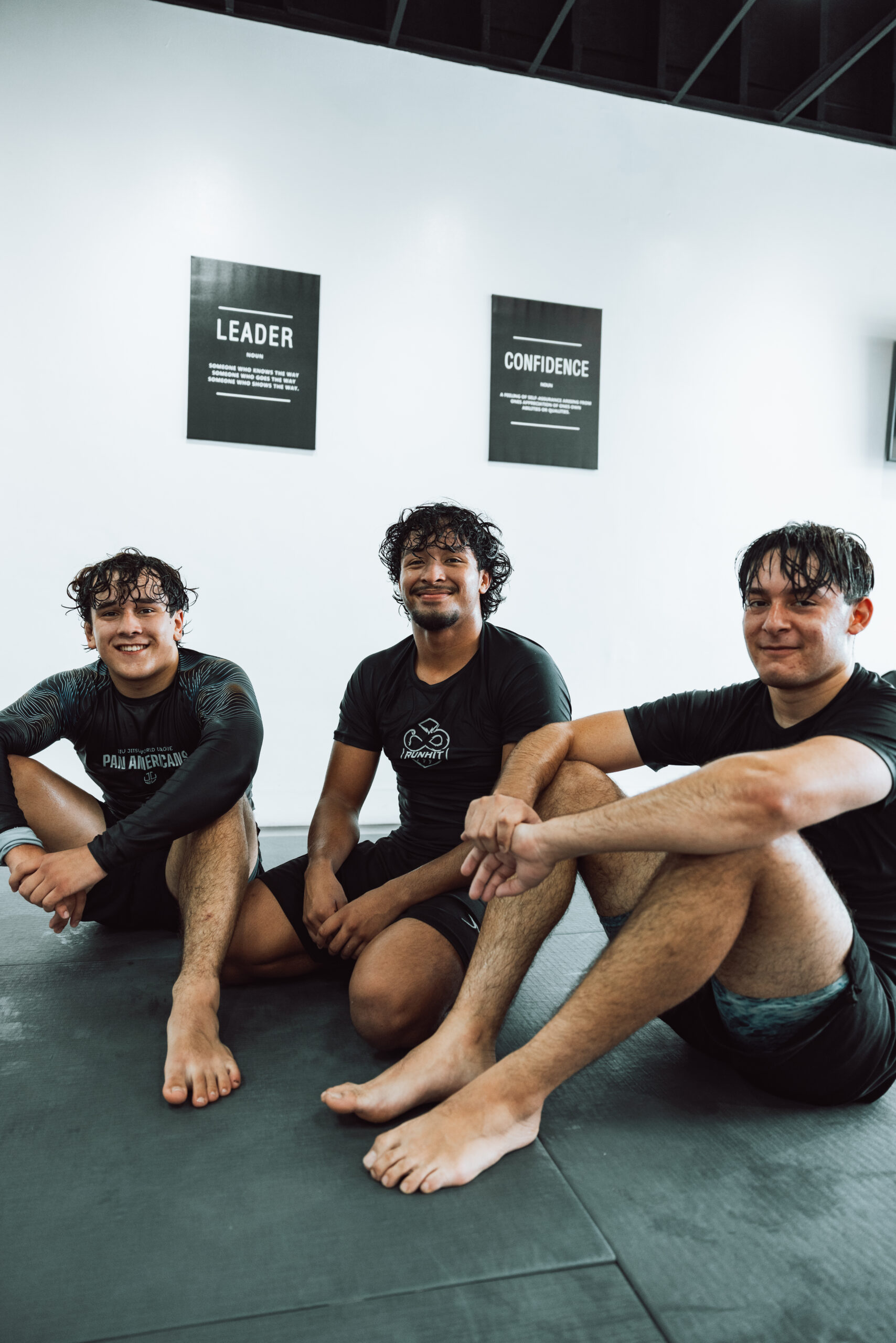
No-gi students usually wear a rash guard and shorts or spats, which are fitted pieces that leave little to hold. If you are brand new, our jiu-jitsu guide for beginners covers what to expect from your first classes.
How Grips Change the Game
In the gi, you can hold the collar, the sleeves, and the pants. These grips let you slow a partner down, keep a position longer, and set up attacks step by step.
Without the uniform, you rely on the wrists, the neck, and the body. Students learn underhooks, overhooks, and body locks, which means wrapping a partner with your arms instead of grabbing fabric.
The Pace of Each Round
Gi rounds often feel slower and more tactical. Friction from the fabric makes escapes harder, so students spend more time working small details to improve their position.
No-gi rounds tend to move faster because sweat makes everyone slippery. Athletes preparing for tournaments often practice both speeds, a topic covered in our look at competition jiu-jitsu training.
Techniques That Fit Each Style
Some submissions only exist in the gi. Collar chokes, for example, use the partner’s own jacket to finish, and they reward patience and steady grip strength.
No-gi favors attacks that do not need fabric, such as the guillotine, the arm-triangle, and many leg locks. Wrestling-style takedowns also show up more often when there is no jacket to grab.
What Each Style Develops in You
Every student builds different habits depending on the format they train most. Neither path is better than the other. Each one sharpens a different set of tools that carries over to the other side.
Patience and Control in the Gi
The gi teaches you to move with purpose. Because escapes take more effort, students learn to stay calm in bad spots and solve problems one piece at a time.
That calm focus is one reason many adults find the mat good for the mind as well as the body. We explore this further in our article on the health benefits of jiu-jitsu.
Movement and Scrambles in No-Gi
No-gi pushes you to react quickly. Positions can change in a second, so students learn to keep good posture, protect the neck, and keep the hips moving.
These quick exchanges, often called scrambles, build timing and awareness. Students who train no-gi often feel more comfortable when a round gets messy and hard to predict.
Conditioning and Physical Demands
The gi tends to work the grip, the forearms, and the ability to hold steady pressure. Long gripping exchanges can tire the hands faster than most new students expect.
No-gi usually asks for more cardio and explosive movement because of the faster pace. Training both styles gives a more complete workout, though every person adapts at their own speed.
How to Choose Where to Start
Choosing between gi vs no-gi jiu-jitsu depends on your goals, your comfort, and your schedule. There is no wrong answer, and many students change their minds after a few months on the mat.
Thinking About Self-Defense
Supporters of the gi point out that people usually wear jackets, hoodies, or jeans that can be grabbed. Training with fabric prepares you for those everyday situations.
No-gi supporters note that summer clothing offers little to hold, so quick movement and body control matter more there. Both points are fair, which is why self-defense benefits from exposure to each style.
Comfort and Personal Preference
Some students love the structure of the gi and the visible progress of a belt around the jacket. Others prefer the lighter feel of a rash guard, especially on warm days.
Your background can play a role too. Former wrestlers often feel at home in no-gi, while people new to grappling sometimes enjoy the slower, more methodical pace of the gi.
Why Many Students Train Both
Skills from one style feed the other. Grip work and patience from the gi help in no-gi, and the speed of no-gi makes gi students sharper and more mobile.
For that reason, many coaches encourage a mix once students feel settled. A balanced week lets you build a complete game rather than depending on a single way of training.
Practical Tips for Your First Weeks
Start with the format that fits your schedule, then add the other once the basics feel familiar. Focus on core positions and escapes first, since they apply to both styles.
TM BJJ Academy in Orange offers adult classes in both formats, along with beginner-friendly sessions taught slow and clear. Gear is provided for your first trial visit, so you can take a class before buying anything.
Putting the Differences Into Practice
The gi builds control, grips, and patience. No-gi builds speed, movement, and reaction time. Together they cover the full range of what grappling has to teach.
Whichever style you choose, progress comes from steady attendance and good habits. Our guide to the belt system explains how students advance over time and what each stage represents.
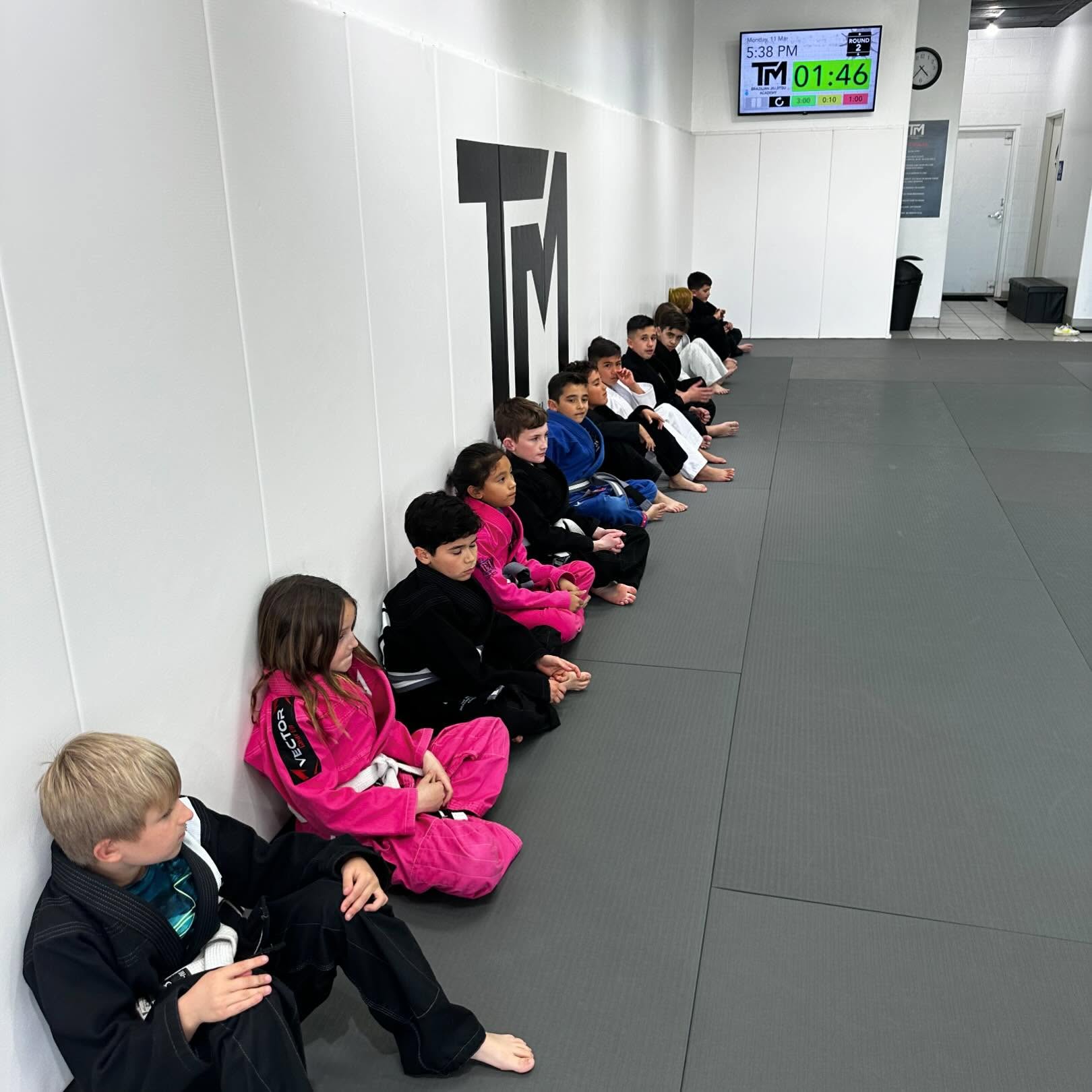
DISCOVER TM BJJ Academy
CLICK HEREFinding the Right Fit on the Mat
The gi vs no-gi jiu-jitsu question has no single correct answer. Each style teaches useful lessons, and most students grow fastest when they give both a fair try over time.
If you live in Orange or nearby and want to feel the difference in person, stop by for a trial class. Our coaches will help you find the format that suits your goals.